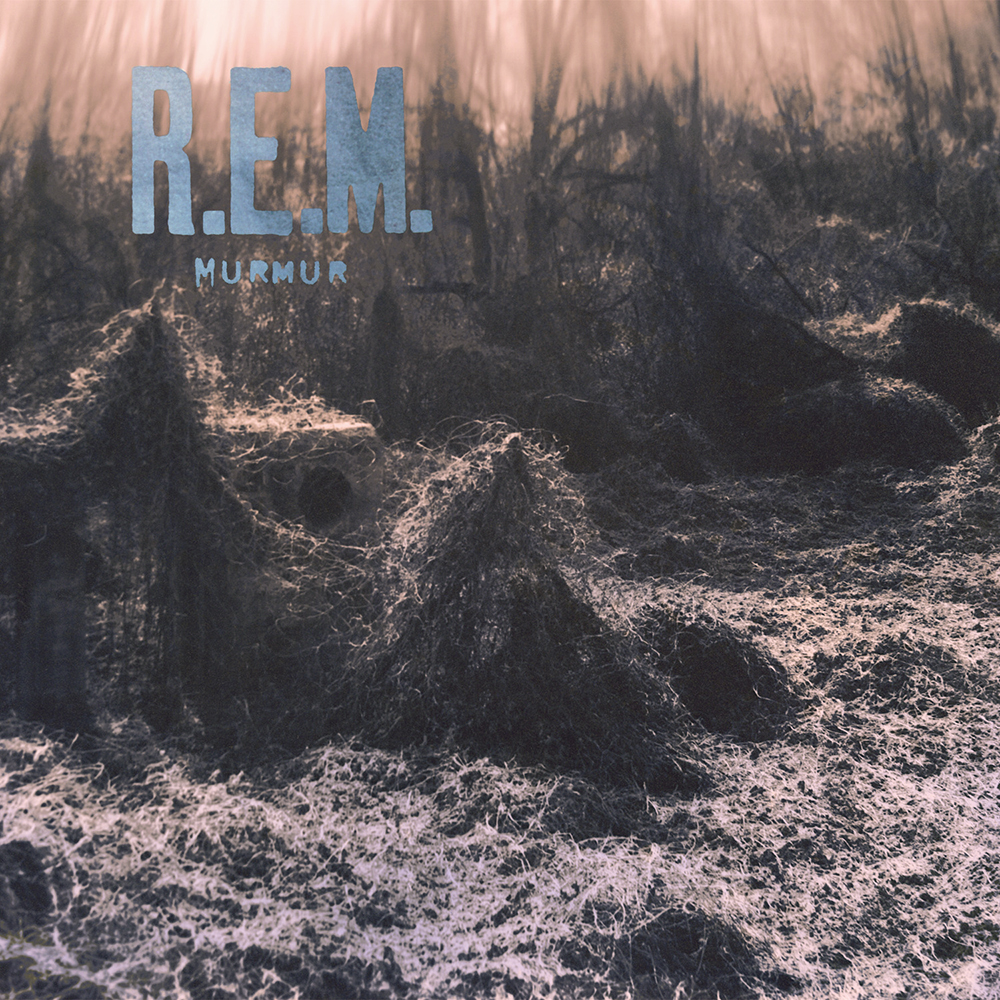
Murmur
by R.E.M.
Review
Track by Track
Radio Free Europe
There’s a nice punch and bounce to this. It’s quite poppy from a melodic sense and the jangly guitars lean into that vibe too. The bass line is great, particularly the little run up the scale it does during the verses. It’s structurally pretty straightforward, but everything pulls together really nicely to create a tonally consistent and engaging musical whole. Very good.
Pilgrimage
This is more tonally dark, particularly the verses, though there is still an echo of that darkness that carries over into the choruses. The production and restraint of the verses are strong and have a great ambience. The vocal melodies are vey typical Michael Stipe stuff, but that gives it the REM sound, despite the slightly darker general approach.
Laughing
The bass work continues to be strong. I like the compositional device of punching as a band on the two, which gives it a nice, slightly off-kilter feel. Despite that, it’s pretty poppy, with a light and airy feel that works really well for me. There’s nothing overly complex about any of this, but it feels like all of the parts perfectly complement one another, and the general rhythmical flow and subtle melodic work connect perfectly. Lovely.
Talk About The Passion
This feels more musically roaming in places and, while it finds a bit more centre during the chorus, it does feel like it drifts away from that a bit too much. The chorus is pretty good though, and the use of strings to add a bit of harmonic depth is well handled. Not bad, but a slight dip in quality.
Moral Kiosk
This is better though. There’s a slight edge of murk and darkness to it, but the forward momentum is solid. I really like the little lead guitar riff at the end of each line during the verses, and the slight vibe change into the choruses is cool. Bill Berry gets a bit more drumming work to do and some of his rolls and fills are great, while he builds a pleasant bouncy base with Mike Mills on the Bass.
Perfect Circle
They transition back into something a bit more withdrawn and subtle with that slightly dark edge that bubble away under the sprinkles of trebley melodic work. It’s quite a nice blend, and the vibe is pretty strong. I don’t think it has as much melodic quality as the best cuts on the album, but it works nicely as a transitional piece and has some interesting reverberant and murky production behind the twinkling of the sharper instrumentation.
Catapult
And now the slightly more jangle pop style comes back in again. The chorus is fantastic in its simplicity and hookiness, and the interplay between the guitar and Stipe’s vocal are great. Things get a bit more drifty and dreamy through the verses, but there are some nice bits of melodic writing, particularly from the guitar, and the way it builds into the chorus is delicious.
Sitting Still
They take the poppy edge from the last track and turn it up a notch again now. The call and response between vocal and guitar in the verses is lovely, and the pace and control of the bass is really nice too. There’s a quality bounce to the rhythm here and it kicks along at a really satisfying pace, dealing nicely with dynamic range between the different sections. We get some great moments of backing vocal work to back Michael Stipe up and thicken up the sound. There’s an urgency to this that works well for me too. Pretty tasty stuff.
9 - 9
Ok, so I love this. It all appears to be in 4/4 time, but the way they play around the beat pulls it all over the place and gives it a really unconventional and experimental feel. There are some fantastic production elements that give this a depth and feel that feels fairly unique, but still blends beautifully with the rest of the album. There’s brilliant work from everyone on here, drums, bass, guitar and vocal all have incredibly strong and, most importantly, interesting contributions to make. And it somehow has an edge of poppiness to it that ties all of the more experimental elements together into something that still has conventional charm. Wonderful.
Shaking Through
While not in any way unconventional like the last one, there’s still great charm and quality to this one. Melodically, it’s pretty strong and has a lovely bouncing groove to it. The piano work is excellent and it feels like theres a strong narrative flow to the composition. All of the parts feel like they’re dancing around the solid and front-foot drumming work at the centre and there’s so much movement and harmonic quality to it. And then they throw in a gloriously cheesy key change near the end. More great stuff.
We Walk
This is a bit more lightweight and rhythmically plodding, but it still has a certain charm and energy to it. There are some interesting pieces of production, particularly the big reverberant percussive sound effects. It’s a little bit more on the mundane and repetitive side, but I still actually quite like the lilt and subtle quirkiness of it. It’s not vastly special, but it’s still not bad.
West Of The Fields
And here comes a bit more drive again. The groove of this is solid. More great bass playing and drumming. The rhythm section has been on point for pretty much the whole record. The way they switch emphasis the band makes from punchy and sharp to more smooth, legato stuff is great, and there are some nice melodic moments in there too. It’s not the strongest track on the record, but there’s still a lot to like here.